Volga – Boat Electrical Setup – Current State and Upgrade Options

I’m working on the boat’s electrical system, which is designed as two redundant setups.

Current Solar Equipment

6 × 200 W Renogy 24 V solar panels

Space for a 7th panel when needed

1 × 50 A Tracer MPPT

1 × 40 A Tracer MPPT

Existing Temporary Power Setup

Setup One – High-Load / Cooking

2 × 300 Ah Renogy 12 V LiFePO₄ batteries

Old 3000 W 12 V inverter

Powers: Travel kettle, Induction hob

2x Batteries: https://uk.renogy.com/products/core-mini-12-8v-300ah-lithium-iron-phosphate-battery?variant=51704535646526

Setup Two – House / Low-Power

1 × 100 Ah 24 V LiFePO₄ (no-name) with junction box with fuses

Loads:

2 × 45 W USB-C chargers

24 V → 12 V 20 A DC-DC converter for legacy gear

Mounted as a single unit on a plywood board

Physical Changes – Both systems need to be moved onto a new 18 mm wooden platform under the floor, to improve space usage and add ballast.

Planned Architecture – The goal is to split the system into:

24 V house system (lighting, pumps, USB, laptops, legacy gear)

48 V high-power system for induction cooking and a future 48 V electric 8 hp outboard motor

Moving to 48 V is necessary to get enough power for the outboard and reduce current, cable size, and wiring cost to improve overall efficiency.

Solar layout:

One side of the boat fits 4 panels → feeds the 48 V system

The other side fits 3 panels → feeds the 24 V house system

Upgrade Options for the 48 V Side

Option 1 – Build 48 V from Existing 12 V Batteries by buying 2 more 300 Ah Renogy 12 V batteries. Configure 4 × 12 V in series → 48 V, 300 Ah

Feed a new all-in-one 48 V inverter

Frees up the 40 A Tracer MPPT for the house bank

Pros

Uses the same battery model

IP65-rated (important below the waterline)

Very strong starting capacity: 300 Ah @ 48 V

Cons

More wiring, more space needed

Cost: ~£1,200

Option 2 – Server-Rack Battery for 48 V

Move the existing 2 × 300 Ah 12 V batteries to the 24 V house system

Remove the no-name 24 V battery

Buy a 48 V 100 Ah server-rack battery: https://uk.eco-worthy.com/products/eco-worthy-48v51-2v-100ah-server-rack-battery-with-bluetooth-wifi-5-12kwh-lithium-battery-version-3

Add more batteries later as needed (especially once the motor is installed)

Pros

Much simpler wiring, built-in breakers, BMS communication, monitoring and better space efficiency. They will also be easier to expand and likely better balanced long-term

Cons

Metal case, not waterproof

Will need a second unit fairly soon for the outboard

Cost

£1,000 initially

  • ~£600 later for expansion

Bonus

House system ends up with 300 Ah @ 24 V instead of just 100 Ah

Pros and Cons by System

Cooking / Outboard (48 V Side)

12 V batteries in series (Option 1):

More wiring and space

IP65 rating is a big advantage, as batteries sit below the waterline and flooding is a real risk

Native 48 V batteries (Option 2):

Better packaging and cleaner install

Built-in safety and monitoring

Easier upgrades

Less water-resistant

House System (24 V Side)

Current setup works, but:

The no-name battery may not be reliable long-term

More capacity is always useful

Planned addition:

24 V diesel heater (backup to the wood burner)

Extra capacity will matter in:

Dark winters

Periods when the wood burner isn’t usable

Bottom Line

Once everything is costed properly, both options end up close in price.
The real trade-off is between:

Waterproof, modular 12 V batteries (robust, proven, messy wiring)

Clean, native 48 V systems (tidy, scalable, but less flood-tolerant)

The decision really comes down to flood risk vs long-term simplicity and expandability.

UPDATE: the problem with the metal cased batteries will be condensation, leading to rust and failing circuits.

#DRAFT
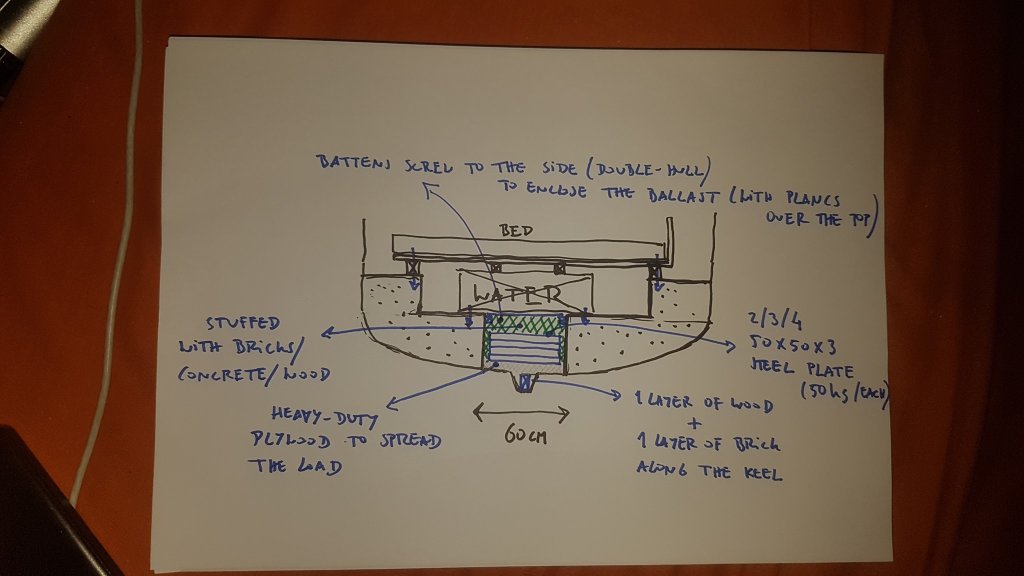
Ballasting our lifeboat

There are 3 issues to address with ballast:
1. Levelling the boat. We are currently back heavy therefore we will try to move the weight about.
2. Stabilizing the boat mediating roll. This is currently a big issue if we encounter waves from the side. Weight low down in keel.
3. Hull depth in the water. More weight everywhere.

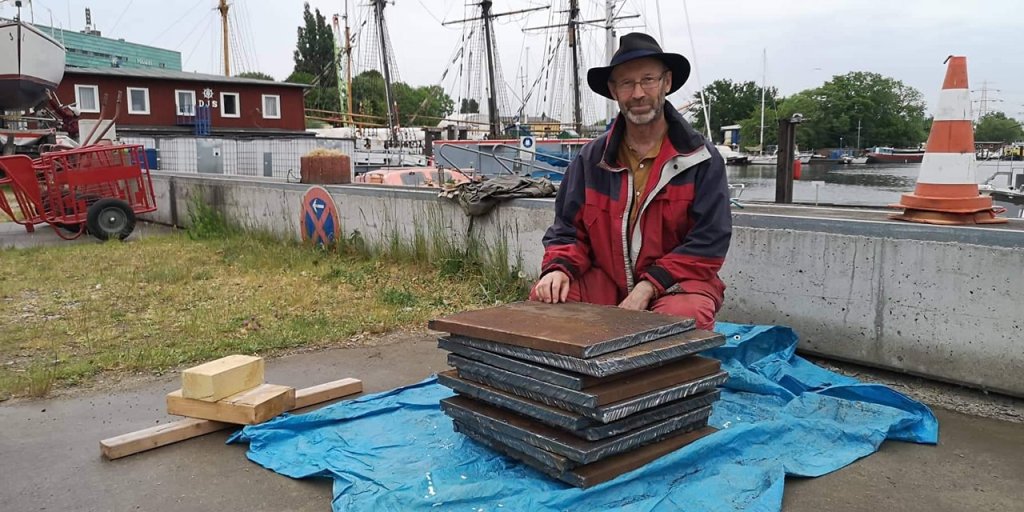
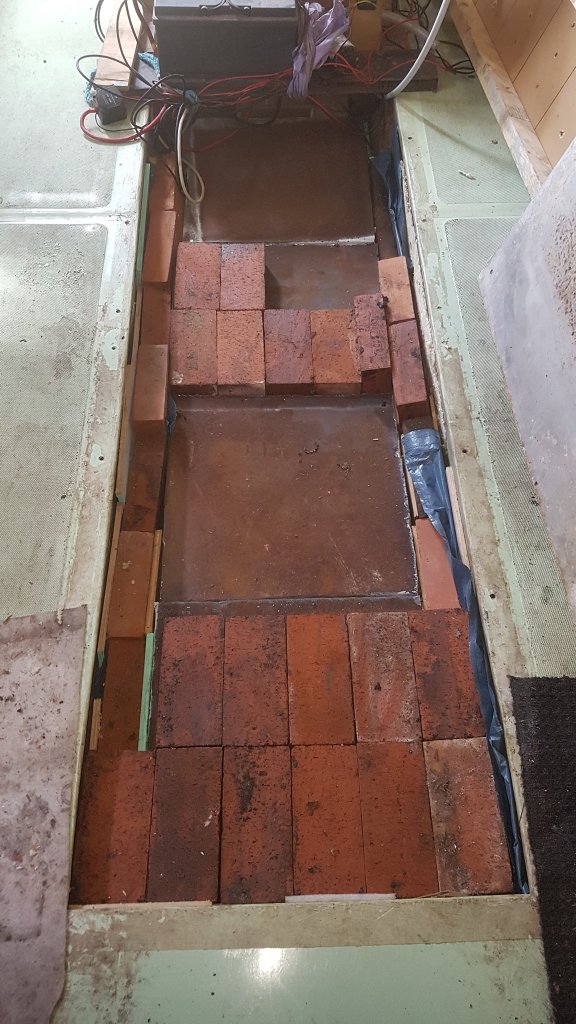
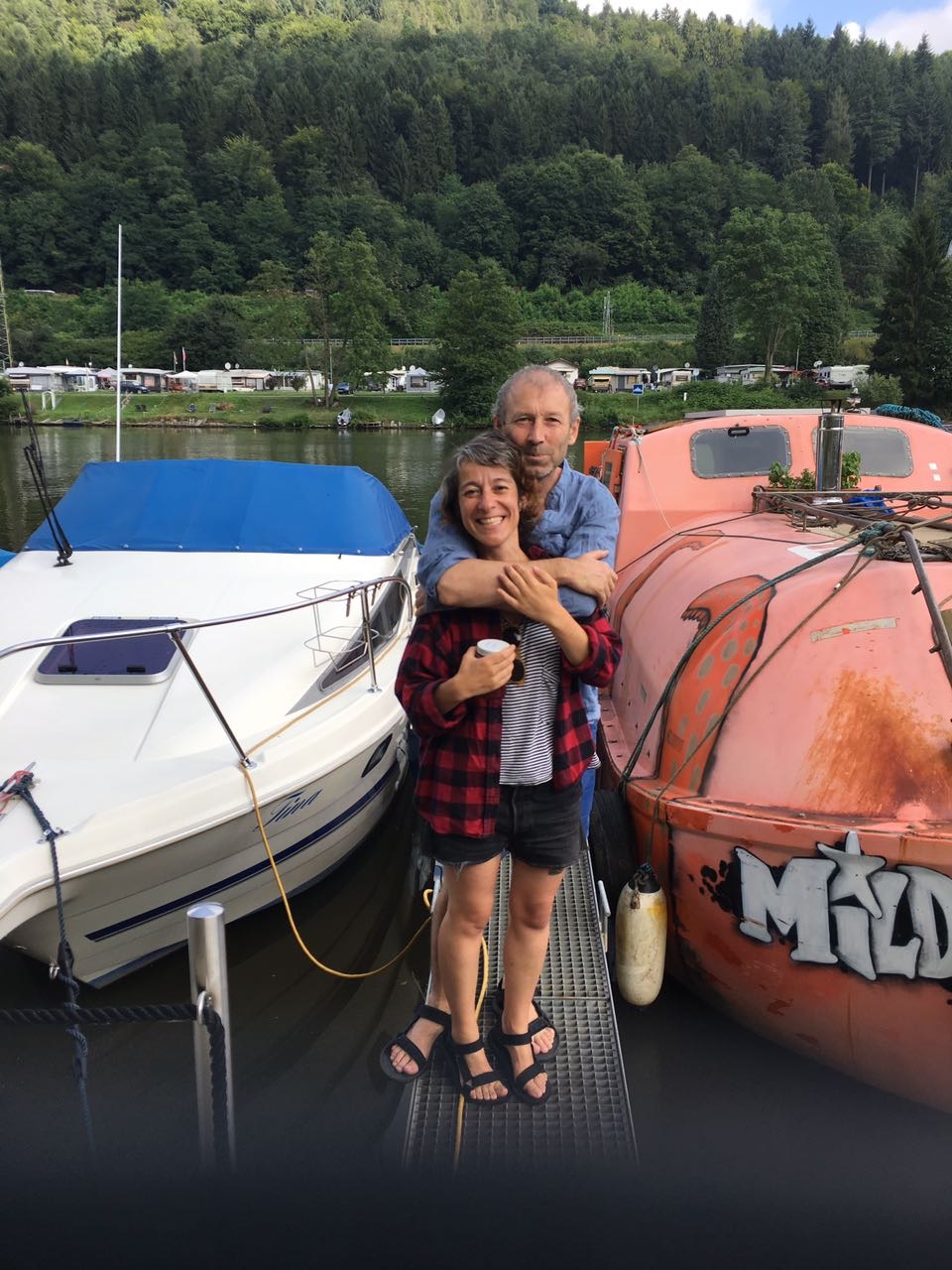
Below is a cross section of our lifeboat. We got 10x50kg steel plates to add to our current foundation brick and concrete block ballast.

This is about 500kg we will be adding to the front and center of the boat as low down as we can.

The boat is specified to carry 61 people and supplies, likely more than 5000kg but the weight is evenly distributed throughout the boat.

With 2 people and our current ballast we likely have less than 1500kg in the boat. She is 80cm in the water and is designed to be 120cm in the water, so obviously more weight is needed for stability

The question we are asking is the distribution of the weight. Thinking of putting most of this weight in the front and center as this is where she is highest in the water. But we are worried about the structural strength of the single skin fiberglass on the keel to hold this much weight in a limited space.

The ballast has been a big sucess so far after testing with the wash of passing boats for a few weeks. The 500kg steel placed below the waterline has worked wonders for boat stability. She no longer bounces at all when hit by small waves from the side.

And she is now level (only 1degree up at the bow at cruising speed.

By eye she is 10cm ish deeper in the water. We still need to measure when we find a spot with clean water and a sunny day to go over the side with a tape measure 🙂

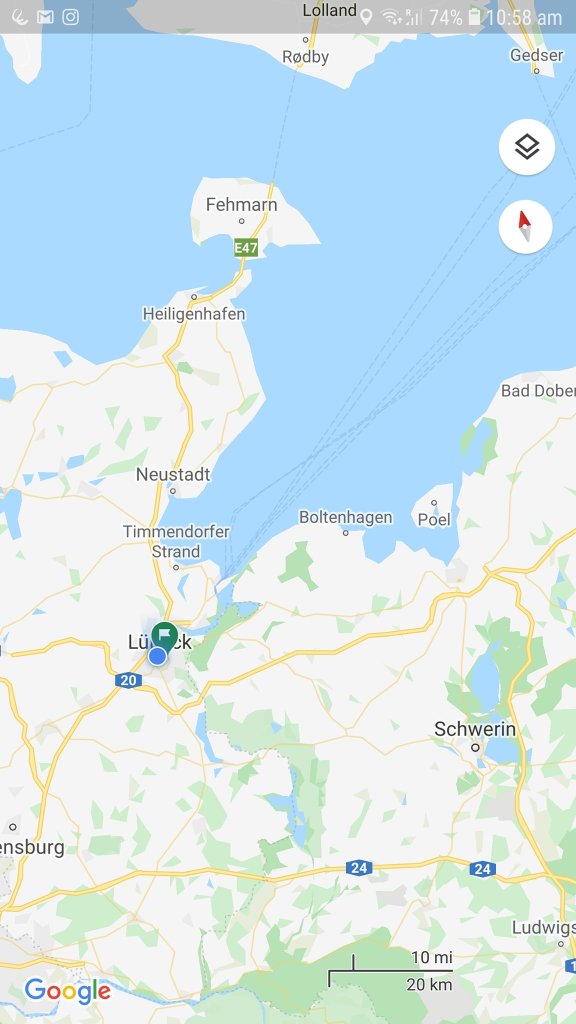
BUT she does shudder and we are worrying about the hull flexing if we hit big waves in our sea test. We are going to remove all the old concrete and bricks, maybe 300-400 kg which is now mostly above the waterline. Leave this in Lubeck harbour and take her out for a few days to sea in calm weather as there are a few nice sheltered bays 5-6 hours up the coast to anchor.

Then head back into town adjust the ballast and then batten it down so that it cannot move at all.

Logbook: The Danube – Kelheim to Linz

August / September 2017

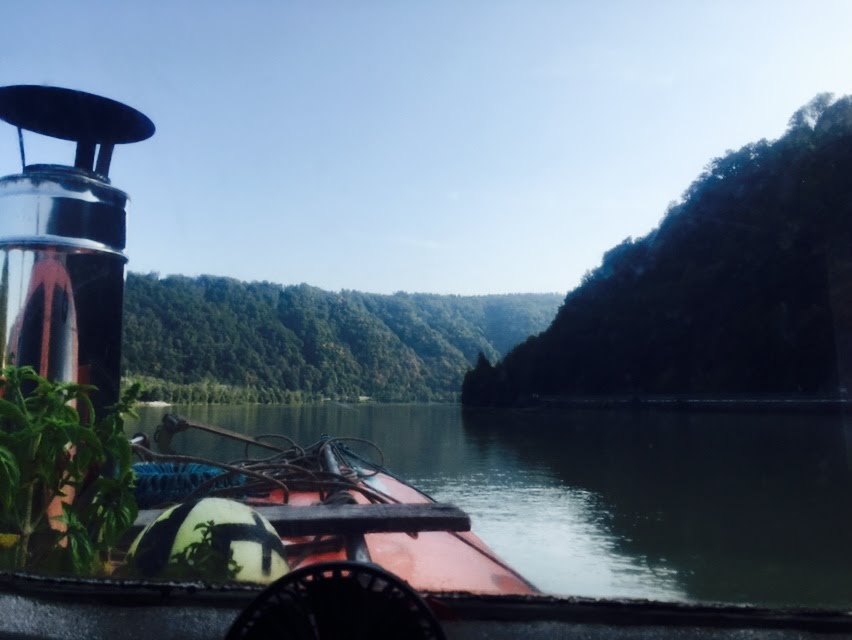
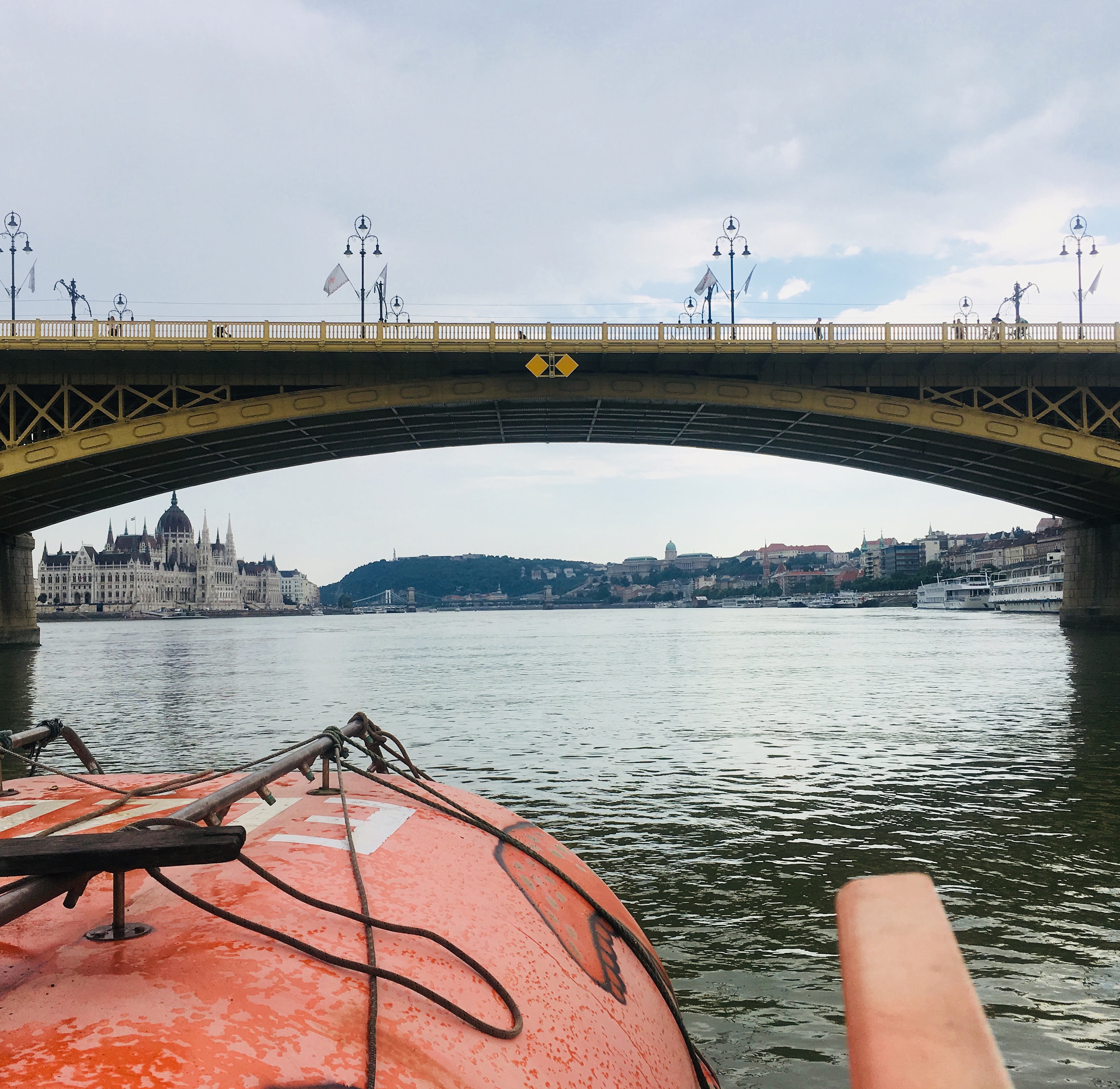
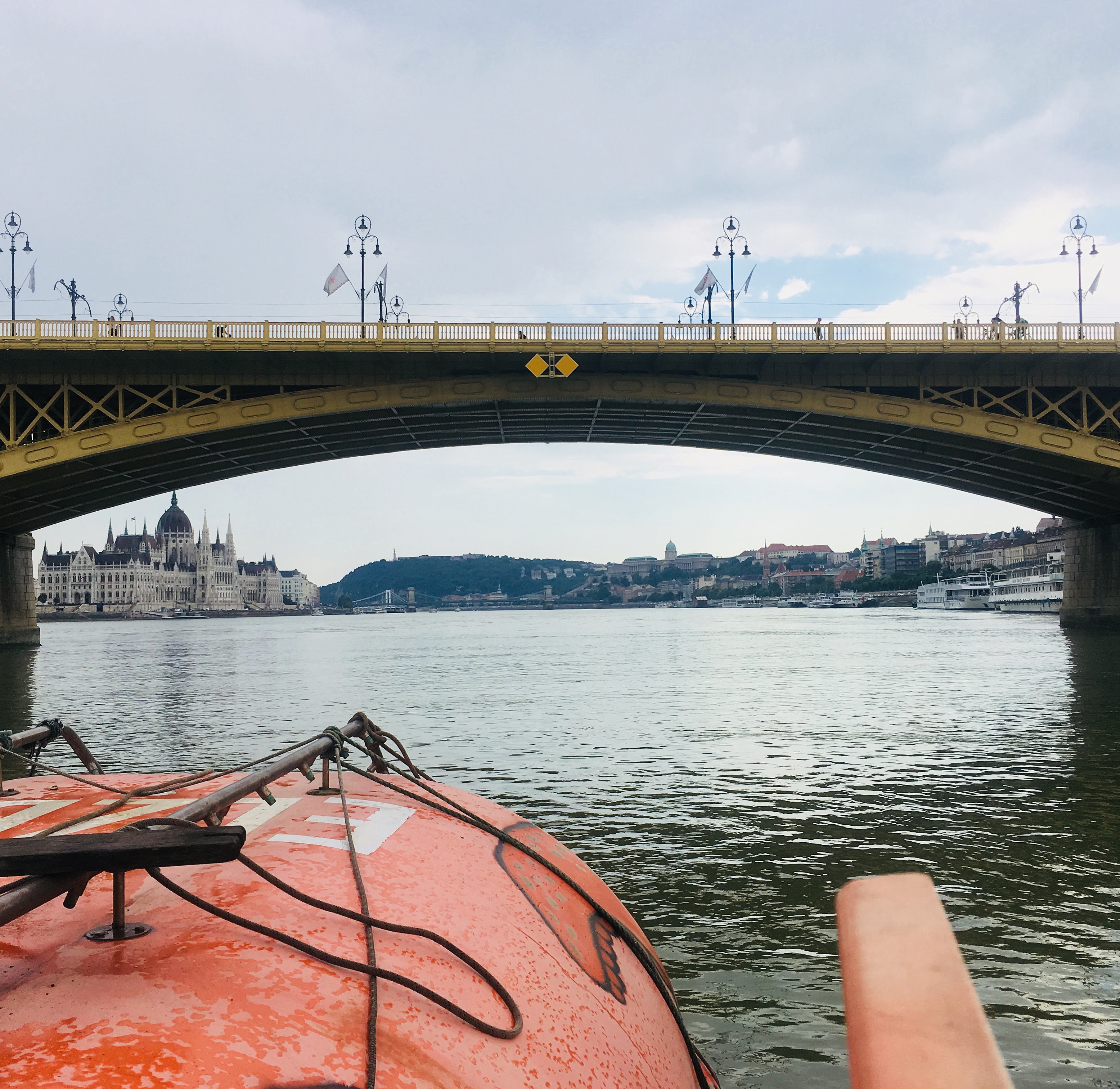
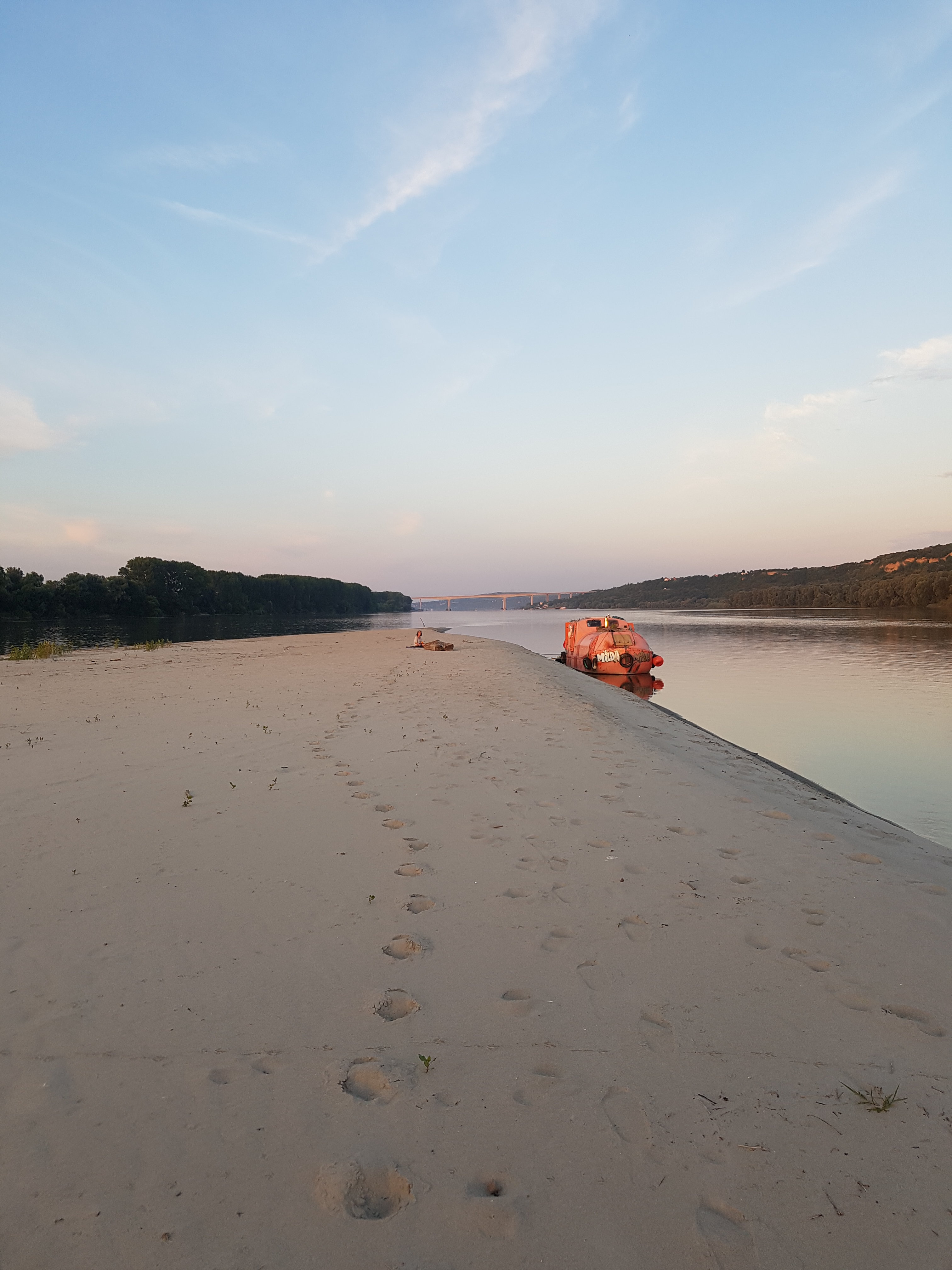
The Danube River runs from Germany to the Black Sea through 10 countries. As we cruise downriver, the “mighty river” changes it’s name from Donau, Duna, Dunaj or Dunarea.

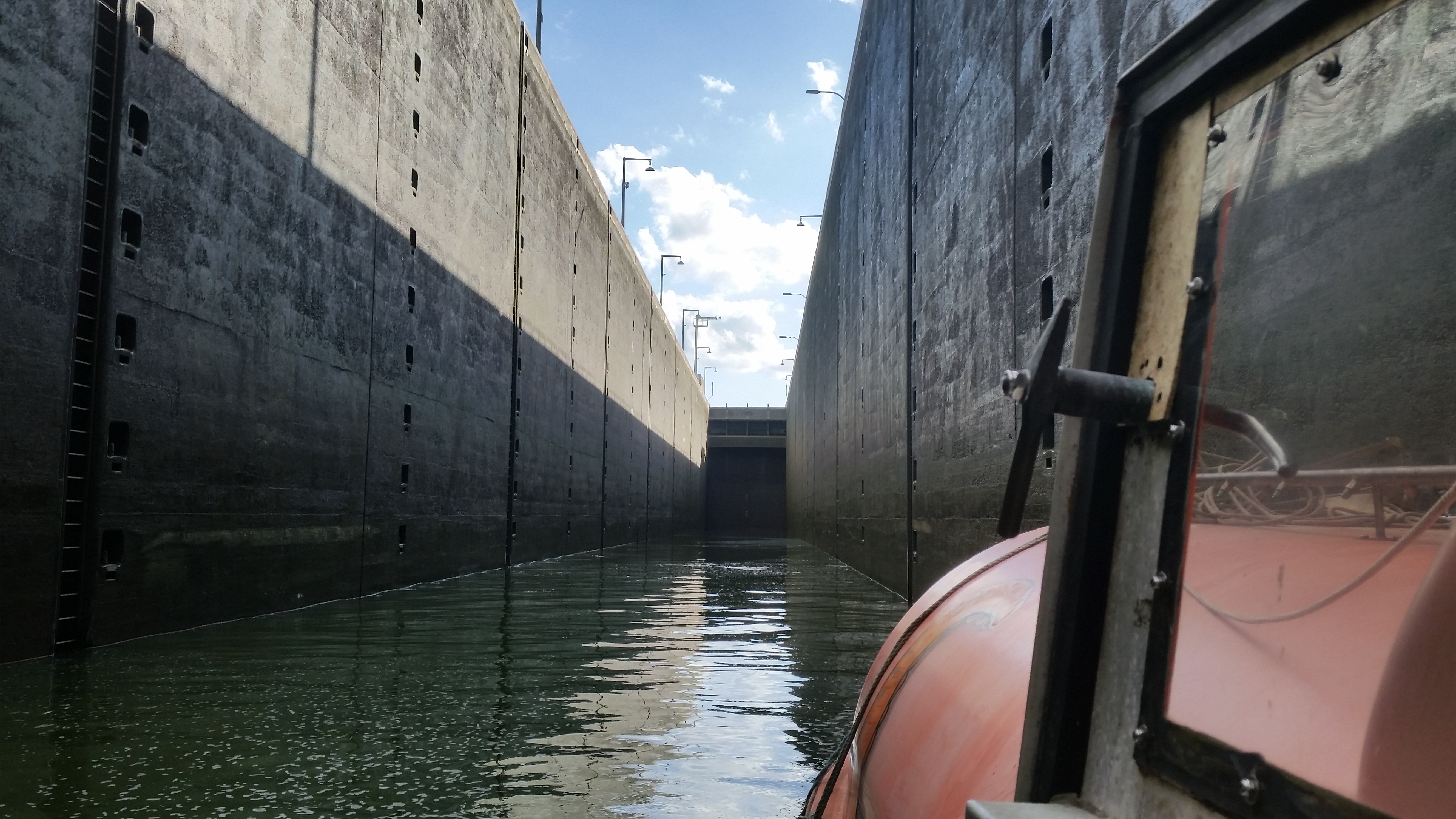
The German Town of Kelheim at km 2411 is our entry point. We have 2411km and 19 locks to go before we reach the Black Sea!

We had planned to stop before reaching the River, but as we arrived close to the end of the Rhine-Main-Donau Canal the only moorings available are for big cruise boats, making it impossible for us to stop, even if for only a couple of hours to look at the charts and prepare ourselves. We see on Google maps that there is a marina in town, but to reach it we need to get to the big river and head upriver for a few kilometers. We did try, but we couldn’t make it. The river was running too fast and as we tried to get to the sides where the current is slower we found out it was too shallow as well and we ended up turning back. Downriver it is!

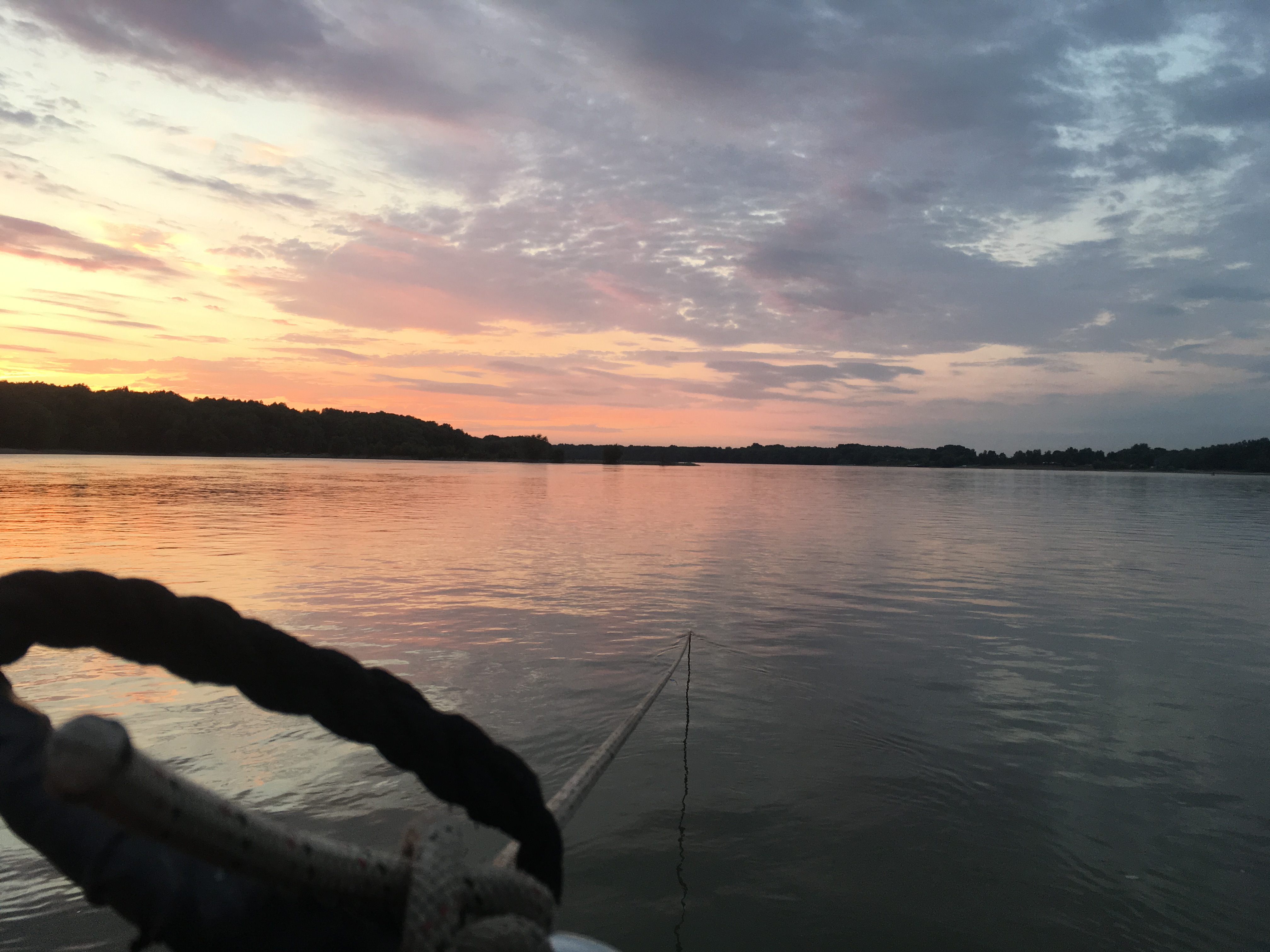
The mighty river is big, fast and absolutely gorgeous. We can’t see any side arms, as on the Rhine, where we could anchor, and mooring along the sides is absolutely impossible. It’s getting late and we do need to stop. We moore on an unused lock sportsboat landing before Regensburg, for the night.

We get to Regensburg, one of the towns mentioned on the book we read before starting this journey “Sailing Across Europe”. Here, Flame, the Dutch barge that travelled from Holland to the Black Sea in the 1920’s is caught in whirlpools and almost hits a bridge. We head to town as we need to stock-up with food, pass a series of small marinas and boat clubs but none of them seems to have any guest mooring places. As we reach the bridge, a cruise boat is heading upriver, we stop to let him pass as we think cruise boats have right-of-way, but then he stops as well. A moment of hesitation, he decides to pass. In no time the river accelerates as it gets closer to the bridge and we are fastly dragged way too close to the stone pillars. Hamish makes a hard turn and max power, just a few meters away from the bridge. If we had hit the bridge we could have sunk. We look at the “Mighty River” with much more respect from now on.

We cruise the German Danube for a few days mooring in lock landings, a marina and anchor behind an island where the current is slower and almost without noticing we get to the next country: Austria.

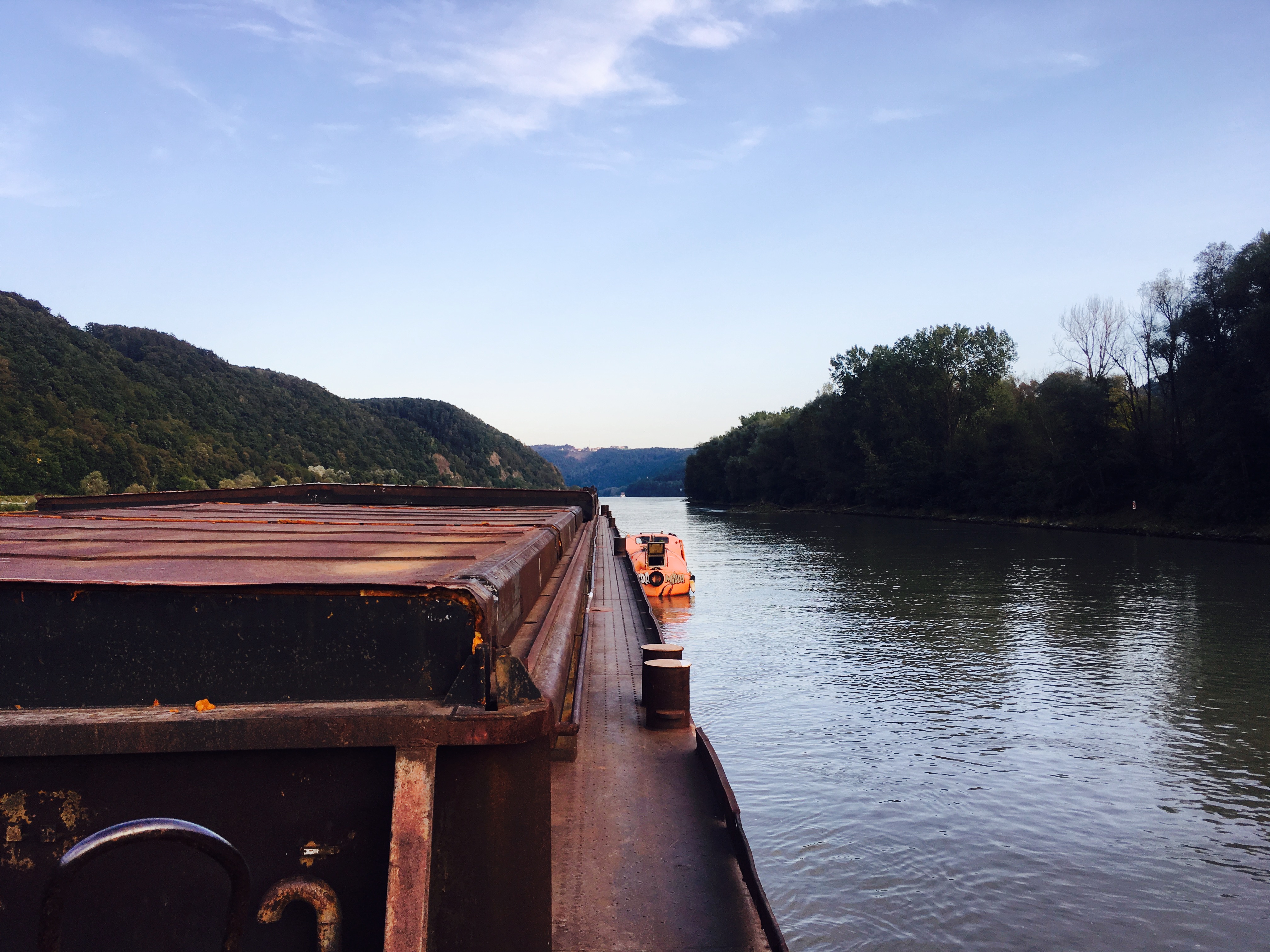
Passau is the last of the German towns, but again, all mooring places are reserved for the big cruise ships and we end up spending the first Austrian night moored alongside a big rusty barge that was anchored off the navigation channel.

It’s now late August, the river is running fast due to heavy rains upriver, the only boats we pass are either huge cargo boats or cruise ships and they both bounce us about everytime they pass. We are offered a mooring place on a little port and told to “keep right when you get in” which we did, but then there were rocks and we may have made a more centered entrance, so we got stuck in the mud. We’ve asked a passing wooden boat to help us out which they did manage to do after a couple of tries.

Our host tells us to stop a few km downriver on a small inlet pontoon from a guesthouse/restaurant in Obermuhl where we end up staying for a week, as the water levels start to change dramatically everyday and we are advised to wait for it to stabilise. After a week, and with the water levels almost reaching the maximum allowed for small boats to navigate, we decide to set off or we would get stuck there for at least another week. We fastly reach Linz! Our boat is doing 18km/h, the river is fast and full of whirlpools and driftwood.

We safely moore by Eleonore a arty boat that hosts artists residencies and surprisingly meet a enthusiastic boating community. The second we find since leaving London. The regulations in Austria are though very strict making it almost impossible to live-a-board, but that doesn’t stop this group of people from taking advantage of the Danube as much as they can.

The plan this year was to get to Serbia, but it’s getting late in the year, we’re getting tired and stressed and our new friends find us just the perfect place to leave the boat for winter. The only problem is that the boatclub is about 20km upriver and there is no way we can make it with our boat with such a strong current. No problem, we get pushed by Markus’s bike ferry.

The first year on the Danube reaches an end. We will be back next year.

#boatingeurope